

Home Care in Eastbourne & East Sussex for,
Safe, Independent Living.
Grace Care 24/7 provides compassionate, personalised home care in Eastbourne and across East Sussex, from daily visiting care and companionship to live-in, overnight, respite and specialist support at home.




EXPERIENCE
Domiciliary care built around your routine, dignity and independence.
Domiciliary care, also known as home care, can help older adults and people with additional care needs remain safe, comfortable and independent in familiar surroundings. Support can range from a few scheduled visits each week to daily or live-in assistance, depending on routines, mobility, health needs and family circumstances.
Based in Eastbourne, Grace Care 24/7 provides flexible support across East Sussex. Explore our home care services, learn more about Grace Care 24/7, or view the areas we cover.
Home care services for everyday
support and changing needs.
Choose flexible support that fits your routine, from visiting care and personal care to live-in care. See our full range of home care services or ask our Eastbourne care team what may suit your needs.
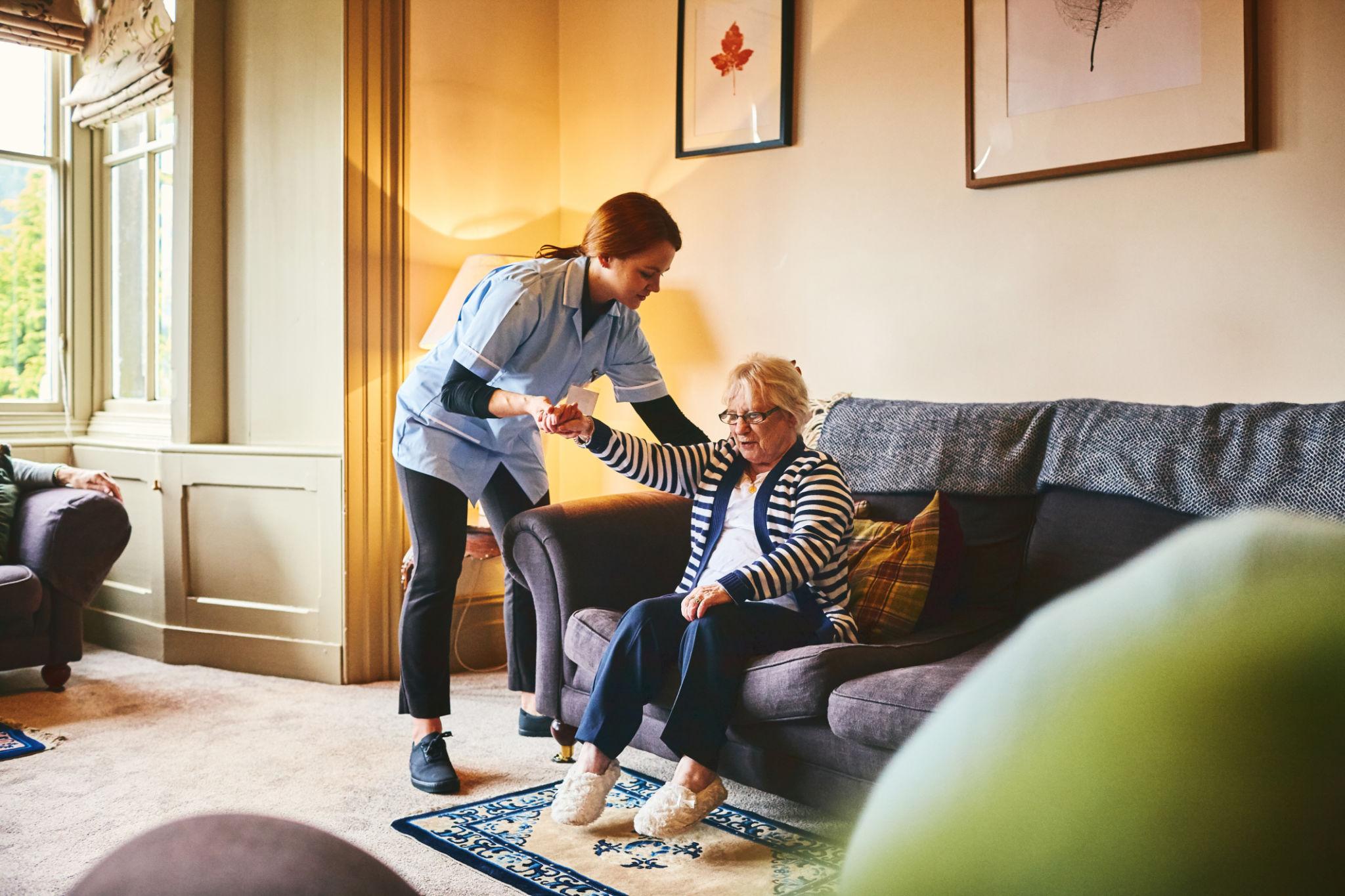
Daily visiting care
Flexible visits arranged around your routine, from regular check-ins to longer periods of support.
Explore visiting care →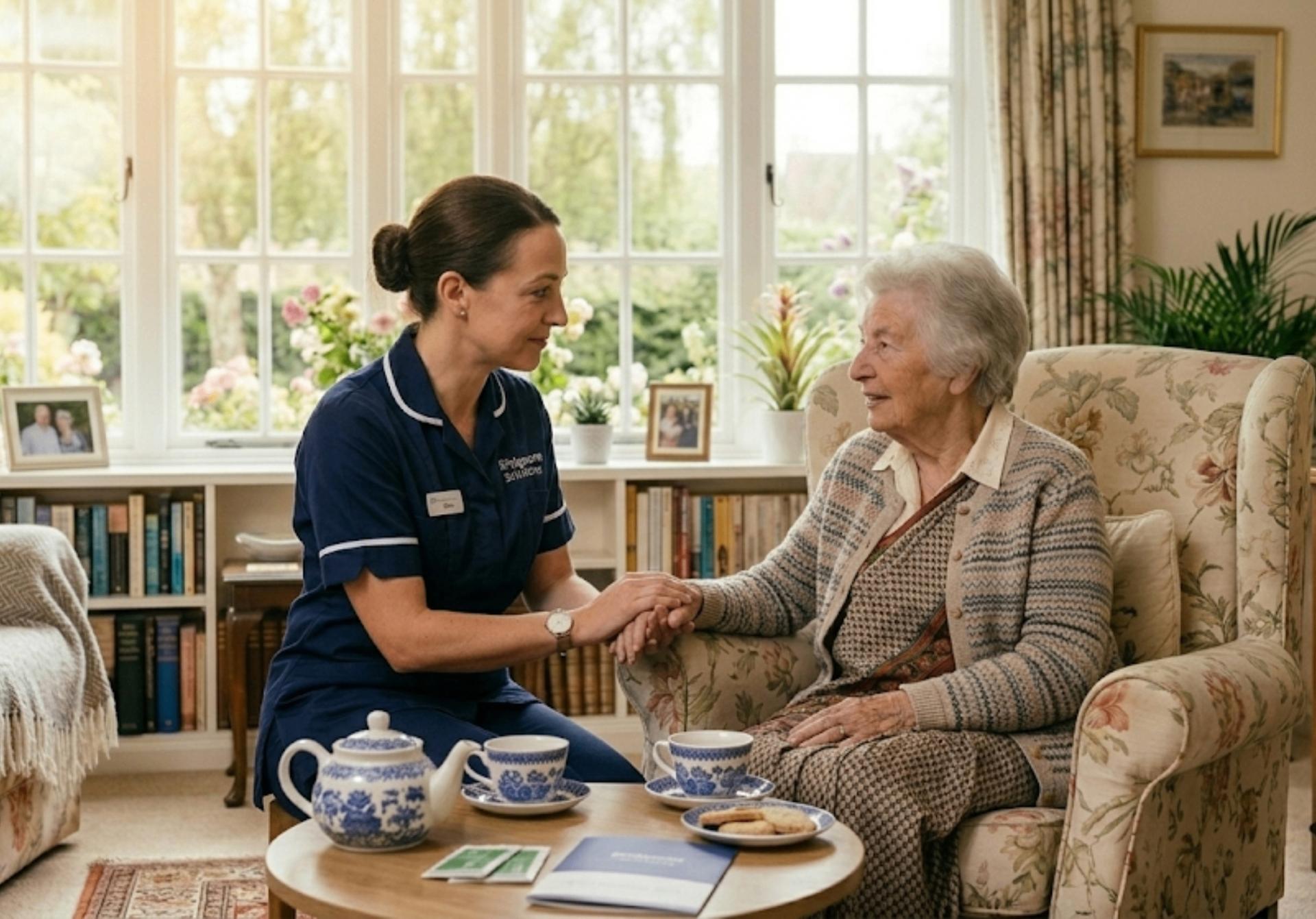
Personal care & dignity
Respectful help with washing, dressing, oral care, continence needs and familiar daily routines.
Explore personal care →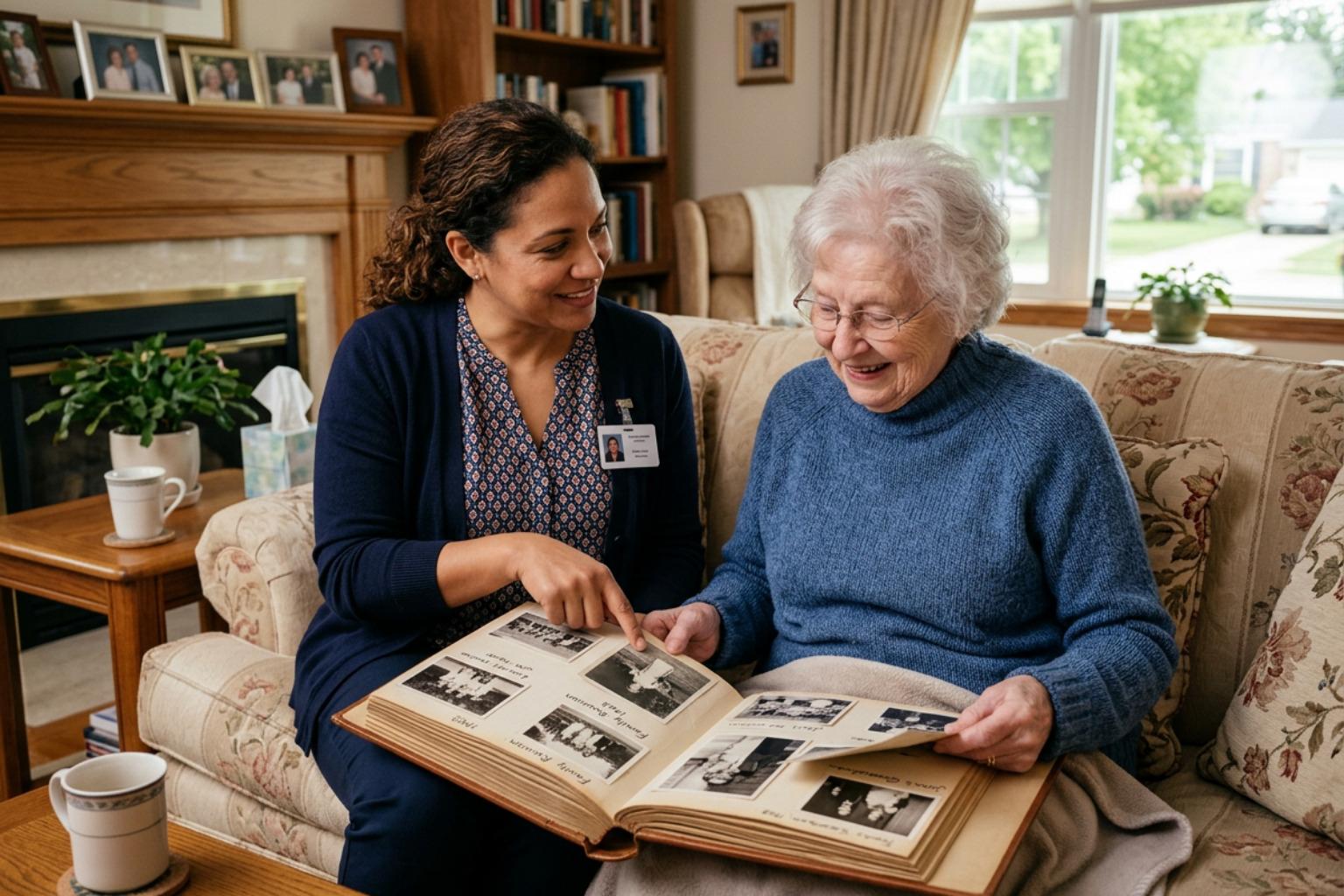
Medication assistance
Prompts or agreed assistance with medicines in line with the care plan and professional instructions.
Explore medication support →
Live-in care
Dedicated one-to-one support in the comfort of your own home, with help tailored around daily routines, personal care, meals, companionship and reassurance.
Explore live-in care →
Meals & hydration
Shopping, preparing preferred meals, encouraging fluids and supporting dietary preferences.
Explore daily living support →
Companionship
Conversation, shared interests, walks, activities and meaningful social connection at home.
Explore companionship care →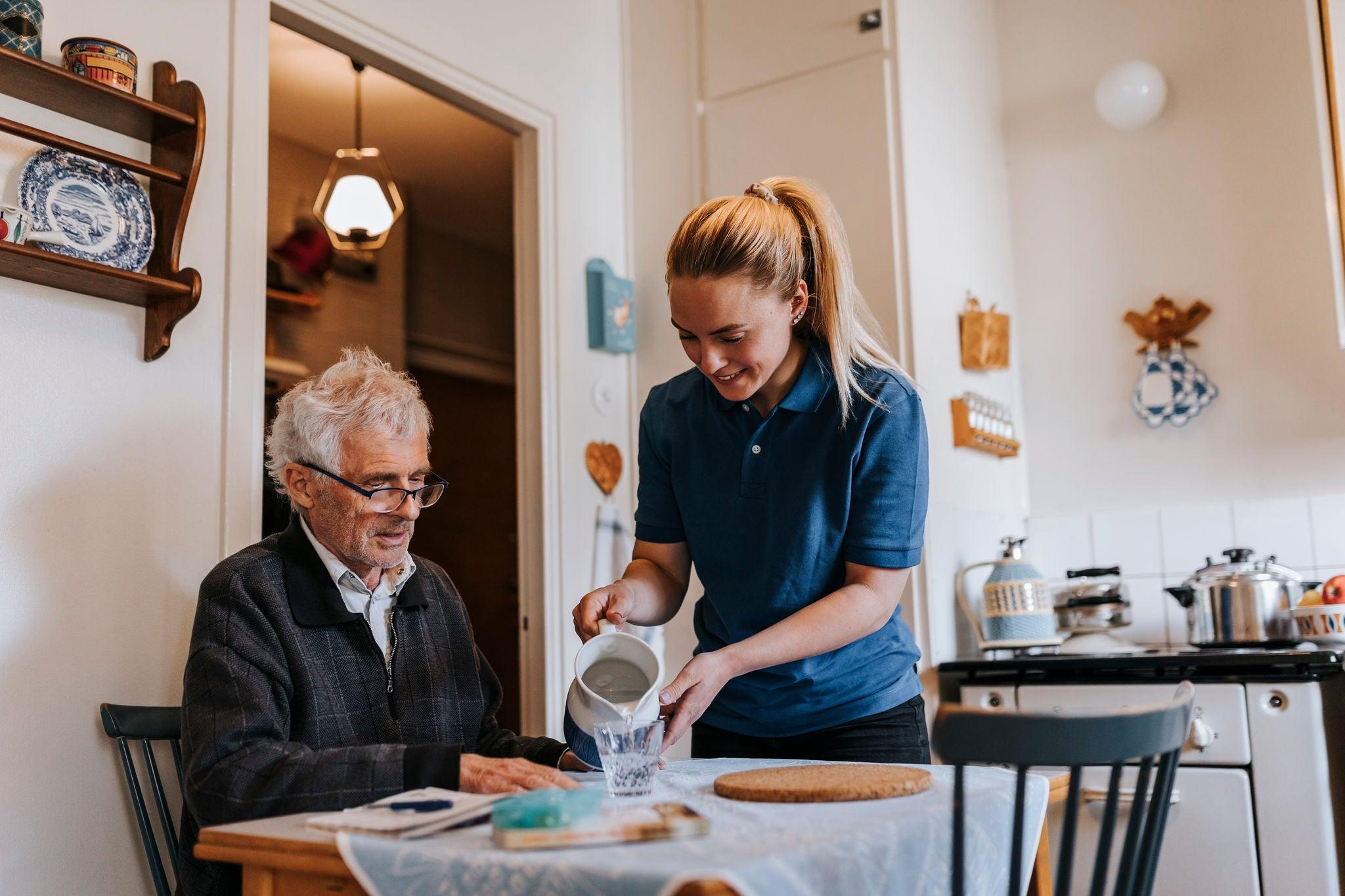
SUPPORT
From first conversation
to ongoing support.
Arranging care should feel clear and manageable. We begin by listening to what matters to the person and family, then agree a personalised plan. Start a care conversation when you are ready.
Share your needs
Tell us about the support, routines and concerns that matter most.
In-home assessment
We discuss daily routines, preferences, risks and health requirements.
Personalised plan
A care plan is shaped around the person and the level of support required.
Care begins
Support starts and can be reviewed as circumstances or needs change.
Home care in Eastbourne and across East Sussex.
Our local team supports people in Eastbourne and surrounding East Sussex communities. For detailed local information, visit our Eastbourne home care page or browse all Grace Care locations.

Client Feedback & Reviews
Discover what our clients have to say about their experience, trust and satisfaction with our services.
We had a wonderful experience with the team. Everything was handled professionally and smoothly.

John Mathew
Client
The entire experience was simple, smooth and stress-free.

Sarah Thomas
Client
The team was supportive throughout the process and made everything very comfortable and convenient.

Michael Joseph
Client
Great service and excellent support throughout the process.

David Wilson
Client
Professional service, quick response and a very helpful team.

Emily Joseph
Client
A genuinely positive experience from beginning to end. The quality.

James Thomas
Client