

Special Conditions Care in Eastbourne — Care Built Around the Diagnosis
Some situations need more than general support. Grace Care 24/7 provides condition-led care at home for people living with dementia, those needing palliative support, anyone coming home from hospital, and adults living with a physical disability — with carers briefed on the condition and working alongside the GPs, district nurses and specialists already involved.

What is special conditions care?
Special conditions care is home care planned around a specific diagnosis rather than general support. Living with dementia, coming home from hospital, managing a physical disability or needing palliative support each call for a different approach — different pacing, different priorities, and carers who understand what to expect.
We provide specialist care in Eastbourne and across East Sussex, including Hastings, Bexhill-on-Sea, Seaford, Hailsham, Polegate & Willingdon, Peacehaven and Brighton.
The practical help looks familiar: washing and dressing, medication reminders, meals, moving safely around the home. What changes is how it's delivered. Dementia care leans on routine and patience; hospital-to-home support focuses on the first weeks when readmission risk is highest; palliative care centres on comfort and dignity.
We work alongside the GPs, district nurses, hospice teams and therapists already involved, rather than in place of them — sharing what we notice day to day, so nothing gets missed between visits.
Talk to us about your situationComplete Home Care Services in Eastbourne and East Sussex
Grace Care 24/7 offers personalised home care, elderly care, and 24-hour care solutions across East Sussex, helping people receive quality support in the comfort of their own home.

Visiting & Domiciliary Care
Planned visits from thirty minutes upwards. Help with getting up and dressed, meals, medication prompts, housework, shopping and settling safely in the evening.
Ask About Visiting Care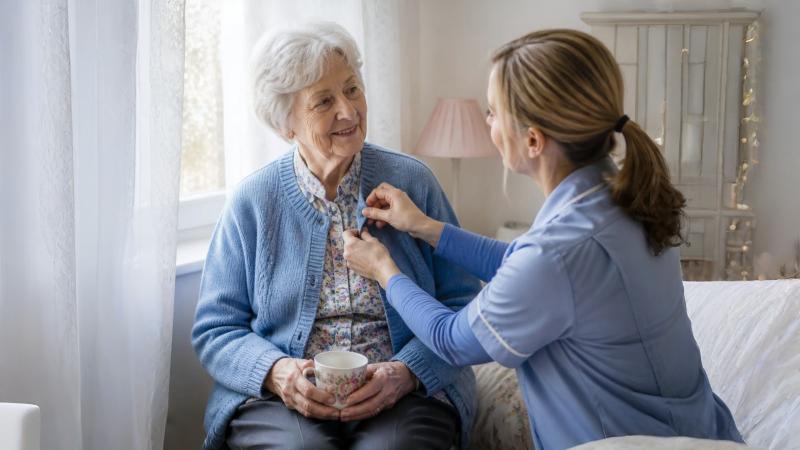
Live-in Care
A carer lives in the home, providing one-to-one support day and night. Often the alternative to a care home that families did not know was available.
Ask About Live-in Care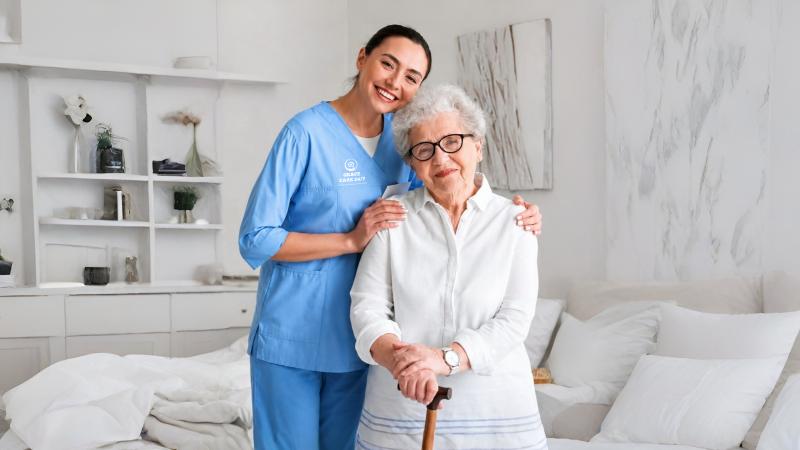
Personal Care
Washing, bathing, dressing, grooming, toileting and continence support, delivered with dignity and without rushing, while respecting individual routines, preferences and privacy.
Ask About Personal Care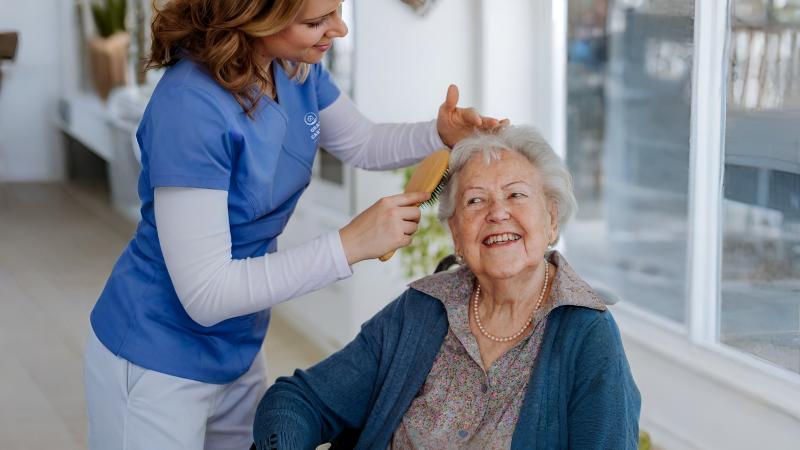
Overnight Care
Sleeping or waking night support for people who wake disorientated, are at risk of falls, or feel anxious alone.
Ask About Overnight Care
Respite Care
Cover so a family carer can rest, work, travel or recover, with dependable support in place at home.
Ask About Respite Care
Specialist Conditions Care
Dementia, Parkinson's, stroke recovery, physical disabilities, palliative support and hospital-to-home care.
Ask About Specialist Care
When the diagnosis changes what good care looks like.
General support isn't always enough. These are the situations where the condition itself shapes the care plan:
- Living with dementia — where routine, patience and familiar faces matter more than anything else.
- Coming home from hospital — the first few weeks after a discharge, when things are least settled.
- Palliative needs — comfort, dignity and calm at home, alongside the district nursing or hospice team.
- Physical disability — practical daily help that supports independence rather than replacing it.