
Overnight Care in Eastbourne — Safe, Settled Nights at Home
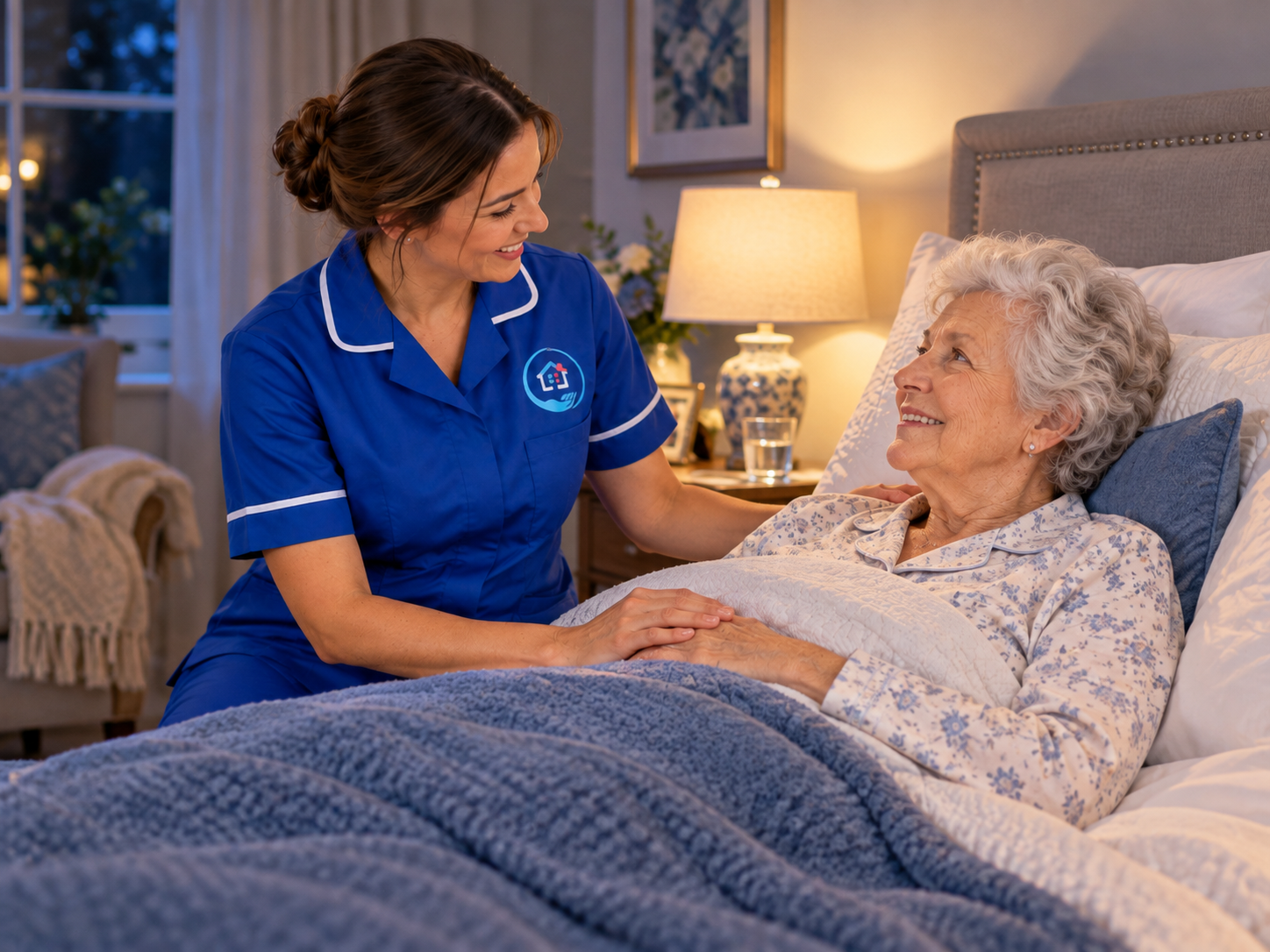
Overnight care means a trained carer stays in the home through the night, so help is close at hand after dark. It suits people who manage well during the day but feel unsafe or unsettled at night, and it gives family carers the chance to get a proper night's sleep, knowing someone is there.

What is overnight care?
Overnight care means a trained carer arrives in the evening and stays until morning, so help is close at hand through the night. They can help with getting ready for bed, getting to the toilet safely, and reassurance if someone wakes feeling confused or unsettled — then help start the day calmly in the morning.
There are two kinds of overnight care. On a sleeping night, the carer sleeps in the home and gets up to help if needed, so they need a bed or spare room. On a waking night, the carer stays awake throughout, which suits people who need help regularly during the night. We'll talk through which one fits during your free assessment.
Many families choose overnight care when nights have become the hardest part of the day — worries about falls after dark, restless sleep, or a family carer who hasn't had a full night's rest in months. It can also be combined with daytime visits.
Book a free care assessmentComplete Home Care Services in Eastbourne and East Sussex
Grace Care 24/7 offers personalised home care, elderly care, and 24-hour care solutions across East Sussex, helping people receive quality support in the comfort of their own home.

Visiting & Domiciliary Care
Planned visits from thirty minutes upwards. Help with getting up and dressed, meals, medication prompts, housework, shopping and settling safely in the evening.
Ask About Visiting Care
Live-in Care
A carer lives in the home, providing one-to-one support day and night. Often the alternative to a care home that families did not know was available.
Ask About Live-in Care
Personal Care
Washing, bathing, dressing, grooming, toileting and continence support, delivered with dignity and without rushing, while respecting individual routines, preferences and privacy.
Ask About Personal Care
Overnight Care
Sleeping or waking night support for people who wake disorientated, are at risk of falls, or feel anxious alone.
Ask About Overnight Care
Respite Care
Cover so a family carer can rest, work, travel or recover, with dependable support in place at home.
Ask About Respite Care
Specialist Conditions Care
Dementia, Parkinson's, stroke recovery, physical disabilities, palliative support and hospital-to-home care.
Ask About Specialist Care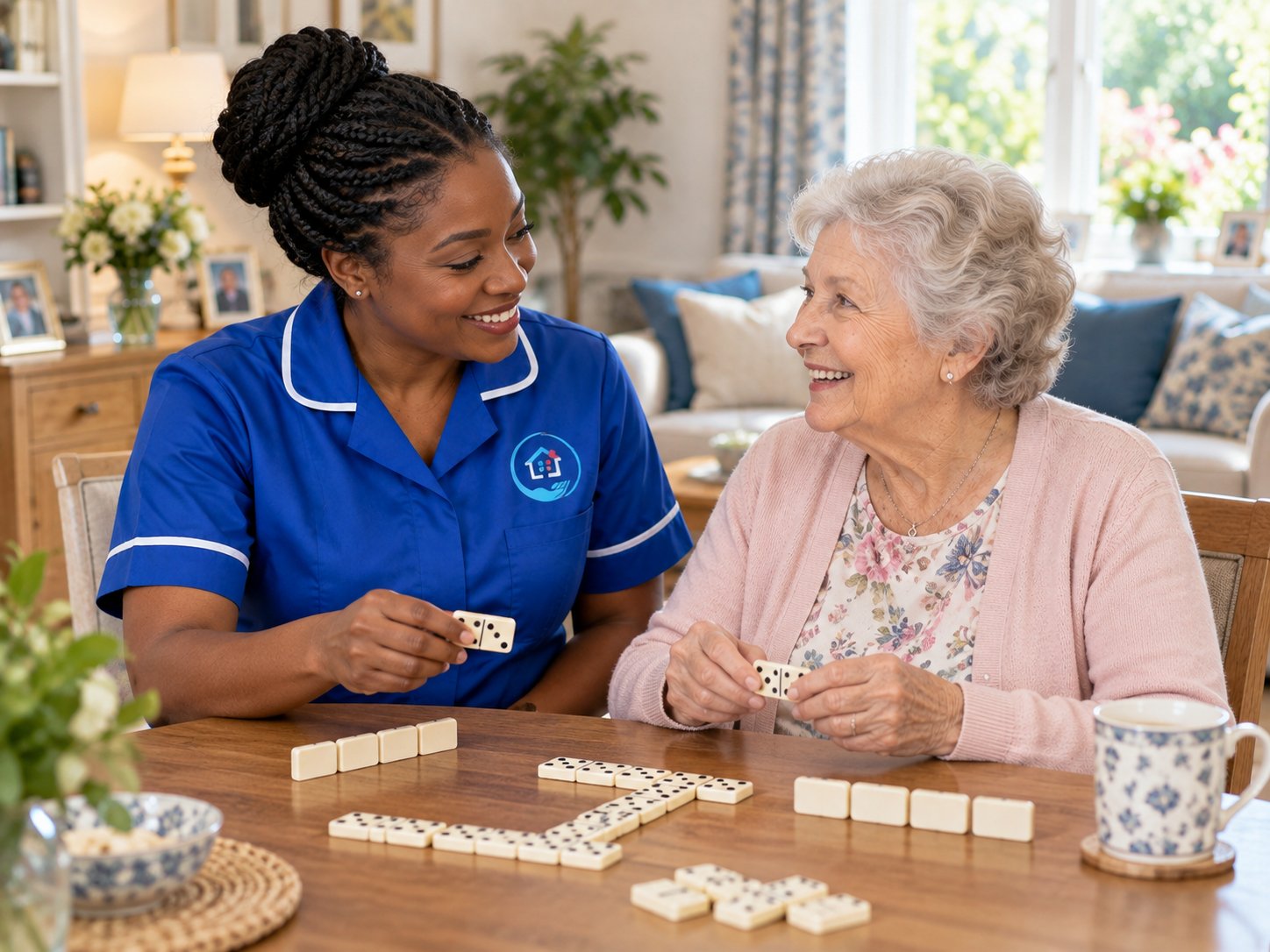
For people who manage the day, but find nights hard.
Overnight care suits someone who copes well in the daytime, on their own or with visits, but for whom nights have become the difficult part — getting up to the toilet, a worry about falls after dark, confusion or restlessness at night, or simply not feeling safe alone once the house is quiet.
It also suits people coming home from hospital who want extra reassurance for the first nights back, and family carers who look after someone during the day and need unbroken sleep to keep going.
One practical thing: for sleeping nights, the carer needs a bed or spare room of their own. Beyond that, the house carries on as it is.