
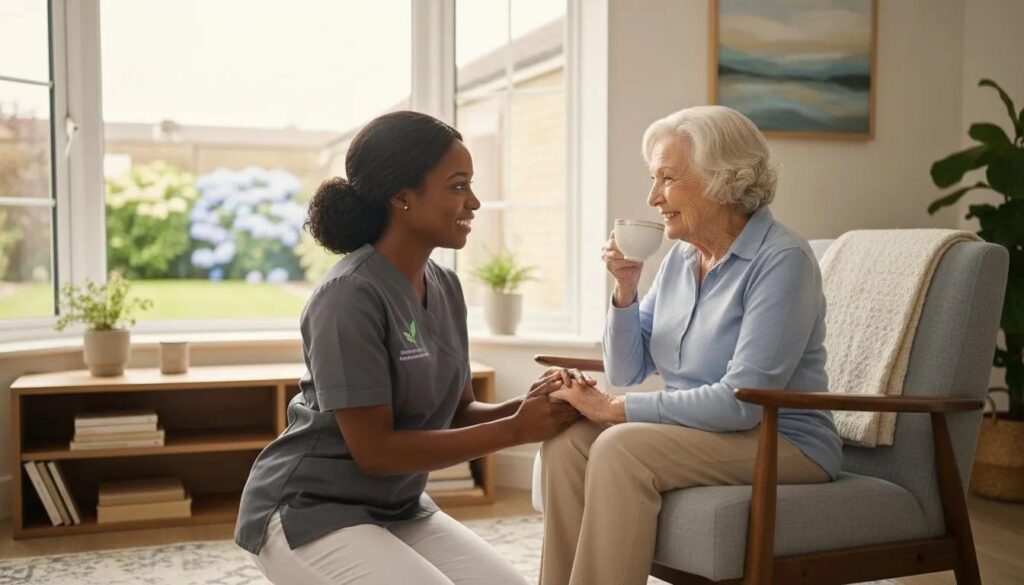
When families first begin looking into Home Care in Eastbourne, they often come across conflicting advice and outdated assumptions. Some people believe home care is only for those with serious medical conditions, while others think it is too expensive or means giving up independence. These misconceptions can prevent people from accessing the support they need at the right time.
The reality is very different. Modern home care is flexible, personalised, and designed to help people live safely and comfortably in the place they know best—their own home. Whether someone needs a few hours of support each week, daily visits, specialist dementia care, or full-time live-in care, professional home care can be tailored to suit their lifestyle and changing needs.
At Grace Care 24/7, we understand that choosing care is an important decision. That’s why we’re debunking some of the most common myths about Home Care in Eastbourne to help families make informed choices with confidence.
Why Do So Many Myths About Home Care Exist?
Many myths come from outdated ideas about social care. Years ago, support at home was often seen as something people only considered when there were no other options. Today, home care has evolved significantly. Professional care providers now offer a wide range of services that focus on promoting independence, dignity, and quality of life rather than simply assisting with basic daily tasks.
Families in Eastbourne are increasingly choosing home care because it allows loved ones to remain in familiar surroundings while receiving personalised support that adapts over time.
Myth 1: Home Care Is Only for People With Serious Health Conditions
One of the biggest misconceptions is that Home Care in Eastbourne is only suitable for people with complex medical conditions or those nearing the end of life.
In reality, home care supports people with many different needs. Some clients simply require companionship to reduce loneliness, while others benefit from assistance with shopping, meal preparation, medication reminders, or household tasks. Professional carers also provide personal care, mobility assistance, dementia support, respite care, and live-in care when needed.
Many families arrange care early, allowing small amounts of support to prevent bigger challenges later. Early intervention often helps people maintain independence for much longer.
Myth 2: Home Care Means Losing Independence
Some people worry that accepting care means giving up control over their daily lives.
The opposite is usually true.
Professional Home Care in Eastbourne is designed to encourage independence rather than replace it. Carers work alongside individuals, helping only where support is genuinely needed.
Someone may continue preparing their own breakfast but appreciate help with bathing safely. Another person might enjoy walking independently while receiving assistance with household cleaning or medication management.
The goal is always to help people remain active, confident, and independent in their own homes for as long as possible.
Myth 3: Moving Into a Care Home Is Always Better
Many people assume residential care is the natural next step as care needs increase.
However, remaining at home offers significant emotional and practical benefits.
People often feel happier surrounded by familiar belongings, treasured memories, neighbours, and local communities. Remaining at home can reduce anxiety, particularly for individuals living with dementia who benefit from familiar routines.
With services such as visiting care, overnight support, and live-in care, many people can continue living safely at home even when their care needs become more complex.
For many Eastbourne families, home care provides the ideal balance between professional support and maintaining normal daily life.
Myth 4: Home Care Is Too Expensive
Cost is another common concern.
While every person’s situation is different, many families are surprised to discover that home care can be more affordable than they expected. Because services are personalised, people only pay for the level of support they actually need.
Some individuals require only a few visits each week, while others benefit from daily assistance or live-in care. Flexible care plans mean support can increase or decrease as circumstances change.
In some situations, financial assistance may also be available depending on individual circumstances and local authority assessments.
Rather than viewing home care as an expense, many families see it as an investment in safety, wellbeing, and quality of life.
Myth 5: Family Members Should Manage Everything Alone
Many relatives feel responsible for providing all care themselves.
Although caring for a loved one is rewarding, it can also become physically demanding and emotionally exhausting. Balancing work, children, and caregiving responsibilities often leads to stress and burnout.
Professional home care doesn’t replace family involvement—it supports it.
Respite care allows family carers to rest, attend appointments, take holidays, or simply recharge knowing their loved one is receiving compassionate, professional support.
This partnership helps families spend more quality time together without the pressure of managing every aspect of care alone.
Myth 6: Home Care Is the Same for Everyone
Every individual has different needs, preferences, routines, and goals.
Quality Home Care in Eastbourne is never one-size-fits-all.
Care plans are developed around the individual, considering their health, mobility, lifestyle, personal interests, cultural preferences, and desired level of independence.
Some clients prefer morning visits, while others need evening support. One person may require companionship, while another benefits from specialist dementia care or personal care assistance.
As circumstances change, care plans can evolve to ensure support always remains appropriate.
Myth 7: Carers Only Help With Personal Care
Professional carers provide much more than assistance with washing and dressing.
Depending on individual requirements, home care may include meal preparation, medication reminders, shopping, light housekeeping, transportation to appointments, companionship, mobility support, overnight care, respite services, dementia care, and emotional support.
Many clients value companionship just as highly as practical assistance. Having someone to enjoy conversation, hobbies, or a walk around Eastbourne can make a significant difference to emotional wellbeing.
Myth 8: Home Care Isn’t Suitable for People Living With Dementia
Many families believe dementia automatically means moving into residential care.
In reality, specialist home care allows many people living with dementia to continue enjoying familiar surroundings and established routines.
Experienced carers understand how dementia affects communication, memory, behaviour, and daily living. Consistency of care, familiar environments, and personalised routines often reduce anxiety while promoting confidence.
Remaining at home also allows family members to remain closely involved in care decisions and daily life.
Myth 9: Home Care Can’t Adapt When Needs Change
Care requirements rarely remain the same forever.
Someone recovering from surgery may only require temporary support. Others may gradually need additional assistance as they age.
Professional home care is designed to adapt.
Support can begin with weekly visits before progressing to daily care, overnight assistance, or live-in care if required. This flexibility allows people to receive the right level of support at every stage without unnecessary disruption.
Why Families Trust Grace Care 24/7 for Home Care in Eastbourne
Choosing the right care provider is about more than qualifications. Families want reassurance that their loved one will be treated with kindness, dignity, and respect.
Grace Care 24/7 provides compassionate, person-centred care tailored to each individual’s needs. Whether someone requires companionship, personal care, dementia support, respite care, visiting care, or live-in care, every care plan focuses on promoting independence and improving quality of life.
Our experienced carers work closely with clients and their families, building trusted relationships that provide peace of mind while helping people remain safe and comfortable at home.
Final Thoughts
Many of the concerns surrounding Home Care in Eastbourne are based on outdated myths rather than today’s reality. Modern home care is flexible, personalised, and designed to help people remain independent while receiving exactly the support they need.
Whether care is needed for a few hours each week or on a full-time basis, professional home care allows people to continue enjoying the comfort, familiarity, and security of their own home.
If you’re considering care for yourself or a loved one, speaking with an experienced provider can help you understand the options available and create a plan that suits your family’s unique circumstances.
At Grace Care 24/7, we’re committed to delivering compassionate, reliable, and personalised home care that helps people across Eastbourne live safely, confidently, and independently.
Frequently Asked Questions
Is home care in Eastbourne only for older adults?
No. Home care supports adults of all ages who need assistance due to illness, disability, recovery after surgery, or long-term health conditions.
Can home care be personalised?
Yes. Care plans are tailored to each person’s individual needs and can include companionship, personal care, dementia care, live-in care, respite care, and more.
Is home care more affordable than residential care?
Costs vary depending on the level of support required, but many families find home care to be a flexible and cost-effective solution because they only pay for the care they need.
How do I know when it’s time to arrange home care?
Signs may include difficulty with daily tasks, increased falls, memory concerns, loneliness, missed medications, or family caregivers feeling overwhelmed. Arranging support early often helps people remain independent for longer.