
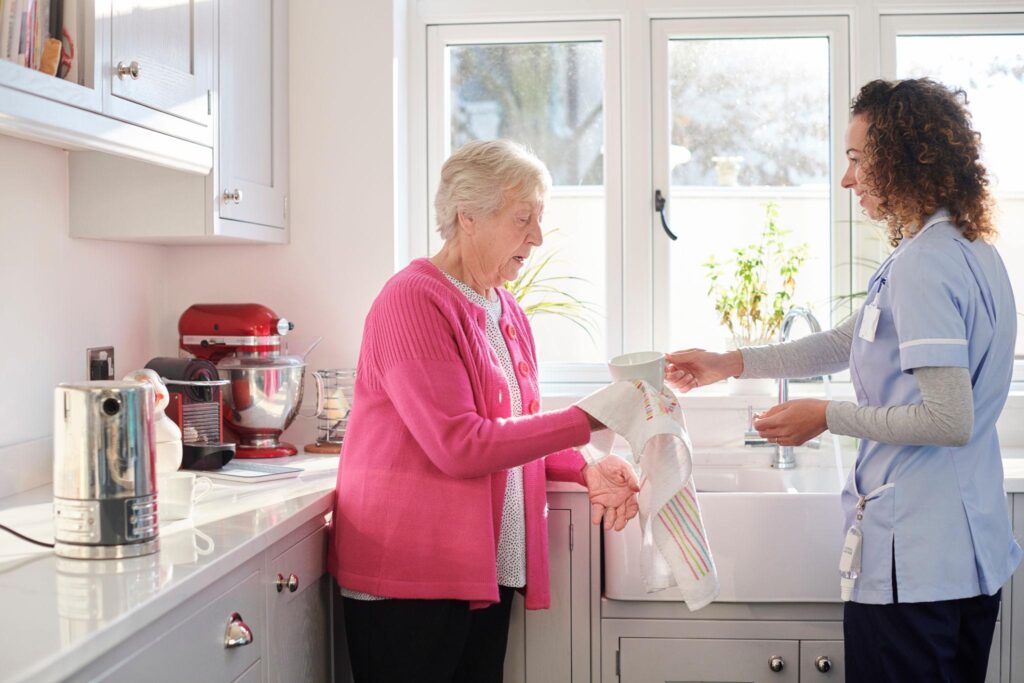
Living with a physical disability can affect everyday life in many different ways. Simple activities such as preparing a meal, getting dressed, moving around the house, or going shopping may sometimes require additional support. However, needing assistance does not mean giving up independence or moving away from the home you know and love.
For many individuals and families, home care in Eastbourne can provide a practical and compassionate way to receive the right support while continuing to live comfortably at home. With personalised care, people with physical disabilities can receive help with everyday activities while maintaining their routines, choices, dignity, and independence.
Grace Care 24/7 provides specialist support for people living with physical disabilities, alongside services such as visiting care, live-in care, personal assistance, companionship, overnight support, and other forms of tailored care.
Understanding Physical Disability Care
Physical disabilities can affect mobility, strength, coordination, or the ability to carry out certain daily activities independently. Every person’s situation is different. Some individuals may need occasional assistance, while others may require more regular or continuous support.
The purpose of disability care is not to take away a person’s independence. Instead, good care should help individuals do as much as possible for themselves while providing assistance where it is genuinely needed.
A personalised approach is particularly important because care needs can change over time. A person may need more support during a period of illness or recovery and less assistance once their condition becomes more manageable.
Professional carers can work alongside individuals and their families to understand their routines, preferences, abilities, and goals. This helps create a supportive environment where the person remains involved in decisions about their own care.
Why Home Can Be the Right Place for Disability Care
Home is often where people feel most comfortable and in control. It is a familiar environment filled with personal belongings, established routines, and meaningful memories.
Receiving care at home can allow individuals to remain connected to their surroundings rather than having to adjust to an unfamiliar residential environment. It can also make it easier to maintain existing routines and stay close to family members, friends, and the local community.
For someone living with a physical disability, familiarity can be particularly valuable. Knowing where things are, having control over daily routines, and being able to make personal choices can contribute significantly to confidence and wellbeing.
This is one reason families consider home care in Eastbourne when looking for a balance between professional support and independent living.
What Support Can Physical Disability Care Include?
The type of support provided depends on the individual’s circumstances. Some people may need help with personal care, while others may primarily require assistance around the home or support with mobility.
Personal care may include assistance with washing, dressing, grooming, and other everyday routines. Carers can provide support while respecting privacy and encouraging the individual to remain involved as much as possible.
Practical household support can also make a significant difference. Preparing meals, helping with shopping, light housekeeping, and maintaining a comfortable home environment can reduce the physical pressure associated with everyday tasks.
Medication assistance may also be included where appropriate. This can help individuals maintain their established routines and provide families with additional reassurance.
Companionship is another important part of care. Physical disability can sometimes make social activities more difficult, potentially leading to loneliness or isolation. A friendly and supportive carer can provide conversation, encouragement, and meaningful social interaction.
Grace Care 24/7 offers a range of services that can be adapted to individual circumstances, including daily visiting care, live-in care, overnight care, companionship, meal preparation, housekeeping, medication assistance, and physical disability care.
Supporting Independence Through Personalised Care
One of the most important principles of disability support is encouraging independence.
Care should not automatically mean that a carer takes over every task. Instead, support can be provided in a way that allows the individual to participate wherever possible.
For example, someone may be able to prepare part of their own meal but need help with reaching certain items or handling heavier cookware. Another person may be able to dress independently but require assistance with certain parts of the process.
A personalised care plan can identify these differences and ensure that support is appropriate.
This approach can help individuals maintain confidence and a sense of control over their daily lives. It also allows care to change when circumstances change.
Mobility Support at Home
Mobility can be one of the biggest challenges for people living with physical disabilities. Moving between rooms, getting in and out of bed, using the bathroom, or accessing different areas of the home may require assistance.
A suitable care plan can consider the individual’s mobility needs and daily routine. Carers can provide appropriate support with everyday movement and help reduce unnecessary physical strain.
Families may also benefit from discussing whether changes to the home environment could make daily activities easier. Simple adjustments to routines and the way essential items are organised can sometimes make a significant difference.
The aim is to create an environment where the individual can move around as safely and independently as possible.
The Importance of Companionship and Emotional Support
Physical disability is not only a practical challenge. It can also affect emotional wellbeing.
Changes in mobility or independence can sometimes lead to frustration, loneliness, or a loss of confidence. Having someone available to talk to and share everyday activities with can therefore be an important part of care.
Companionship does not have to mean simply sitting together. Depending on the individual’s interests and abilities, it could involve having a conversation, preparing a meal together, enjoying hobbies, helping with shopping, or supporting social activities.
A familiar and consistent carer can also help build trust. Over time, this relationship can provide reassurance for both the individual and their family.
Flexible Care for Different Levels of Need
Not everyone requires the same amount of support. Some people may only need a carer to visit for a short period each day, while others may need more extensive assistance.
Visiting care can be suitable for people who are largely independent but need help with specific activities. Regular visits can be arranged around an individual’s routine and requirements.
For people who need more continuous assistance, live-in care can provide support throughout the day and night while allowing them to remain at home.
Overnight care can also be considered when support is needed during the night. This can be particularly useful for individuals who require assistance with movement, personal needs, or reassurance after bedtime.
Grace Care 24/7 provides flexible care options, including daily visiting care, overnight care, and live-in care, depending on individual requirements.
Supporting Families and Carers
Physical disability can affect the whole family, particularly when relatives are providing regular unpaid care.
Family members may want to provide as much support as possible, but balancing caregiving with employment, personal commitments, and their own wellbeing can become difficult.
Professional care can provide families with additional support without removing them from the individual’s life.
Respite care can also give family carers an opportunity to rest, attend appointments, spend time with other family members, or simply take a break knowing that their loved one is receiving appropriate support.
The right arrangement can therefore benefit both the individual receiving care and the people supporting them.
Choosing the Right Care Provider in Eastbourne
Choosing a care provider is an important decision. Families should consider whether the provider can understand the individual’s specific needs rather than offering a standard approach.
It is useful to discuss the person’s daily routine, mobility requirements, personal preferences, communication needs, and the level of assistance required.
Families should also ask how care plans are created and reviewed, what type of support carers can provide, and how changes in care needs are managed.
Communication is equally important. A good care relationship should allow the individual and their family to raise concerns, discuss changes, and remain involved in decisions.
Grace Care 24/7 is based in Eastbourne and provides personalised in-home care designed around individual needs. Its services include physical disability care alongside live-in, visiting, overnight, companionship, and specialist care options.
Helping People Live Life on Their Own Terms
Living with a physical disability does not have to mean giving up the comfort and familiarity of home.
With the right assistance, individuals can continue following their routines, maintaining relationships, enjoying hobbies, and making their own choices. Professional care can provide the practical help needed to make everyday life more manageable while preserving dignity and independence.
For families looking for home care in Eastbourne, a personalised approach can make a meaningful difference. The right support is not simply about completing daily tasks. It is about understanding the person, respecting their choices, and helping them live as independently and comfortably as possible.
Grace Care 24/7 provides tailored support for individuals and families looking for compassionate care at home in Eastbourne and surrounding areas.
Frequently Asked Questions
What is physical disability care at home?
Physical disability care provides personalised assistance to people who have difficulty carrying out certain daily activities because of a physical disability. Support can include personal care, mobility assistance, meal preparation, household tasks, companionship, and other practical needs.
Can people with physical disabilities continue living independently?
Yes. With appropriate support, many people with physical disabilities can continue living in their own homes. The level of assistance depends on the individual’s abilities, preferences, and care requirements.
What does home care in Eastbourne include for people with disabilities?
Support can vary from person to person. It may include personal care, mobility assistance, meal preparation, medication assistance, housekeeping, shopping, companionship, overnight care, or live-in support. Grace Care 24/7 provides several of these services and creates care plans around individual needs.
Can care be arranged for only a few hours a day?
Yes. Visiting care can be arranged for people who need assistance at particular times rather than continuous support. The schedule can be discussed during the care assessment.
Is live-in care available for people with physical disabilities?
Yes. Live-in care can provide more continuous support for individuals who require assistance throughout the day and want to remain in their own home. Grace Care 24/7 offers live-in care as part of its home care services.
Can family members remain involved in the care?
Absolutely. Family involvement can be an important part of personalised care. Professional carers can work alongside families while providing additional practical support.
Can care be provided temporarily?
Yes. Care does not always have to be a long-term arrangement. Short-term and respite support can be useful when a family carer needs a break or when additional assistance is required for a temporary period.
How can I arrange physical disability care in Eastbourne?
The first step is to discuss the individual’s needs with a care provider. Grace Care 24/7 can arrange an assessment to understand the person’s requirements and develop a suitable care plan before care begins.
Get Personalised Support at Home
Every person living with a physical disability has different needs, abilities, and goals. The right care should reflect those differences.
If you or a loved one needs support with everyday life while continuing to live at home, Grace Care 24/7 can discuss available care options and help you understand what type of support may be suitable.
Based in Eastbourne, Grace Care 24/7 provides personalised care designed to promote comfort, dignity, safety, and independence.