
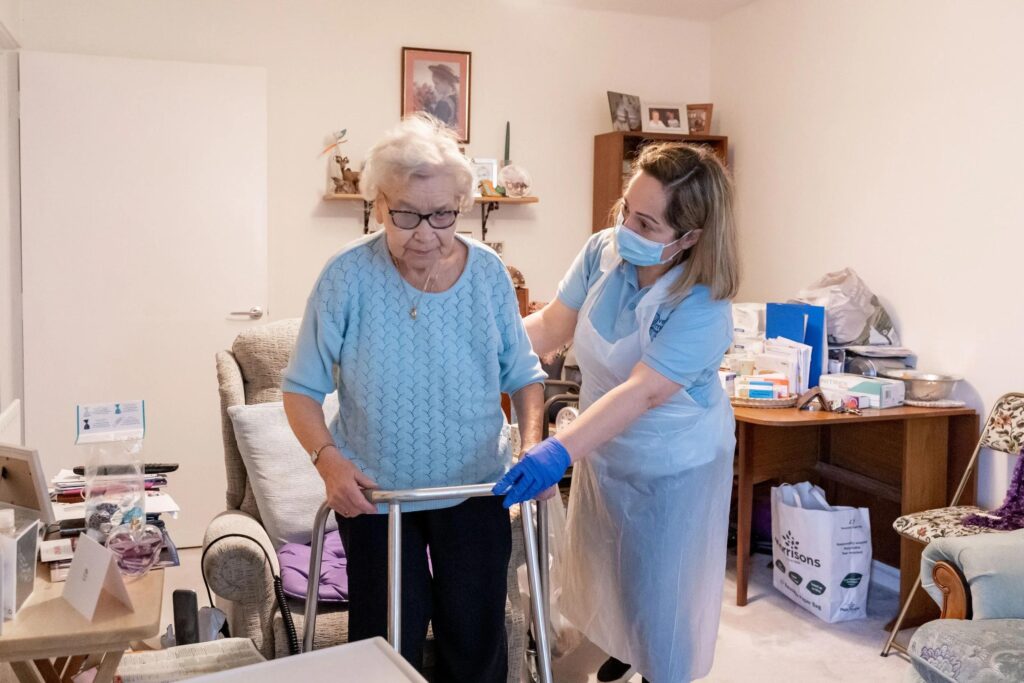
When an elderly parent begins to need additional support at home, one of the biggest challenges for families is knowing exactly what type of care should be arranged. Every person has different routines, preferences, abilities and support needs, so there is rarely a single approach that works for everyone.
Creating a clear care plan can help families understand what support is needed, when it is needed and how it should be provided. It can also give an older person greater confidence because they remain involved in decisions about their own daily life.
For families considering home care in Eastbourne, a personalised care plan can provide a practical starting point for arranging appropriate support while helping an elderly parent remain comfortable and independent at home.
What Is a Home Care Plan?
A care plan is a written outline of the support a person needs and how that support should be delivered. It can cover everyday routines, personal care, medication, meals, mobility, household tasks, companionship and other individual requirements.
A good care plan should not simply list what a carer needs to do. It should explain what matters to the person receiving care.
For example, an older person may want to get up at a particular time, have breakfast in a specific way, continue preparing some meals themselves or maintain regular contact with friends. These preferences can be included alongside practical care requirements.
Grace Care 24/7 describes its care process as beginning with a conversation, followed by a home visit and a written care plan before care begins. The plan can then be reviewed as circumstances change.
Start by Understanding Your Parent’s Daily Routine
Before arranging care, spend some time understanding how your parent currently manages their day.
Think about when they usually wake up, how they prepare meals, whether they go shopping independently, how they manage medication and what activities they enjoy. It is also useful to consider which tasks they can manage comfortably and which have become more difficult.
This conversation can reveal areas where support would be helpful without unnecessarily taking control away from your parent.
For example, someone may be able to prepare their own breakfast but struggle with shopping. Another person may manage household tasks but need assistance with bathing or getting dressed.
The purpose of home care in Eastbourne should be to provide the right level of assistance rather than replacing everything an older person can still do for themselves.
Consider Personal Care Needs
Personal care can become more difficult as people get older. Depending on individual circumstances, support may be needed with bathing, washing, dressing, grooming, toileting or continence care.
These are personal areas of daily life, so the care plan should clearly explain how your parent would like assistance to be provided.
Privacy, dignity and choice should remain central to the arrangement. Your parent should understand what support will be provided and have an opportunity to express their preferences.
Grace Care 24/7 provides personal care at home, including support with washing, bathing, dressing, grooming, toileting and continence, while respecting individual routines and privacy.
Include Medication and Health Requirements
Medication can become an important part of a care plan, particularly when someone has several prescriptions or finds it difficult to remember when medication should be taken.
Families should discuss medication routines with the appropriate healthcare professionals and clearly identify what assistance is required from carers.
A care plan can also take account of other health-related considerations, such as mobility difficulties, recovery following an illness, long-term conditions or dementia.
Grace Care 24/7 provides medication prompts as part of visiting care and supports people with a range of specialist conditions, including dementia, Parkinson’s, stroke recovery, physical disabilities and palliative needs.
Think About Meals and Household Tasks
Food and household routines are another important part of planning care.
An elderly person may find shopping, cooking, cleaning or laundry increasingly difficult even though they remain capable of living independently. Rather than assuming they need complete assistance, consider which specific tasks are causing problems.
A carer may be able to help with meal preparation, shopping or light household work while your parent continues to manage the tasks they are comfortable doing.
This approach can make professional support feel less disruptive and can help an older person maintain a sense of control over their own home.
Consider Companionship and Social Wellbeing
A care plan should consider more than physical tasks.
An elderly person who spends much of their time at home may experience loneliness or reduced social interaction. Regular companionship can provide an opportunity for conversation, shared activities and maintaining a meaningful daily routine.
This may involve talking over a cup of tea, taking part in a favourite activity or accompanying someone outside when appropriate.
Grace Care 24/7 includes companionship within its wider home care services and aims to provide support that fits around the person’s familiar routines and preferences.
Decide How Often Support Is Needed
Not everyone needs the same amount of care.
Some people may only need occasional assistance, while others may benefit from daily visits. Grace Care 24/7 currently offers visiting care from 30-minute visits upwards, with support potentially arranged once a day or several times a day depending on individual requirements.
When creating a care plan, think about the times of day when your parent needs the most assistance.
Morning support may be useful for getting dressed and preparing breakfast. Lunchtime visits could help with meals and medication prompts, while evening support may help someone settle safely for the night.
The schedule should reflect the person’s actual routine rather than forcing them to completely change their day.
Consider Whether Live-In Care May Be Needed
Some older people require more consistent support than scheduled visits can provide.
If your parent needs assistance throughout the day, requires frequent reassurance or should not be left alone for extended periods, live in care in Eastbourne may be worth considering.
With live-in care, a professional carer lives in the person’s home and provides one-to-one support throughout the day and night. This can allow someone with higher care needs to remain in familiar surroundings rather than immediately considering a move into residential care.
The decision should be based on the individual’s needs, preferences and circumstances rather than simply the amount of care available.
Plan for Changing Needs
One of the most important parts of a care plan is recognising that it may need to change.
An elderly person’s mobility, health, confidence or daily routine can change over time. A care arrangement that works well today may not provide enough support several months later.
For example, someone may initially need a few visiting care sessions each week. Following an illness or fall, they may temporarily require additional assistance. Alternatively, a gradual change in health may mean that more regular or continuous support becomes appropriate.
Grace Care 24/7 states that care plans are reviewed as mobility, routines, health needs and family circumstances change.
Regular reviews can help families avoid waiting until a situation becomes difficult before adjusting the level of care.
Include Dementia Needs Where Appropriate
If your parent is living with dementia, their care plan should take account of their individual routines, communication preferences and changing needs.
Familiar surroundings and consistent routines can be particularly important for someone living with dementia. The plan can identify activities they enjoy, things that may cause distress and the approaches that help them feel comfortable.
Dementia care in Eastbourne can include support with daily routines, personal care, companionship and maintaining a familiar home environment. Grace Care 24/7 lists dementia among the specialist conditions it supports at home.
Because dementia affects people differently, the care plan should be individual rather than based solely on a diagnosis.
Involve Your Parent in the Care Plan
Perhaps the most important part of creating a care plan is making sure your parent is involved wherever possible.
It can be tempting for family members to make decisions because they are concerned about safety. However, an older person should still have a voice in how their care is arranged.
Ask what they want help with, what they would prefer to continue doing themselves and what aspects of their routine are particularly important to them.
This can make the transition into care more comfortable and help preserve independence.
The goal of home care in Eastbourne is not simply to complete tasks. It is to provide appropriate support while helping an individual continue living their life in a way that reflects their preferences.
Creating a Care Plan Can Give Families Greater Confidence
Arranging care for an elderly parent can initially feel complicated, particularly when family members are unsure how much support is actually required.
A clear care plan can make the process easier by identifying the person’s needs, preferences, routines and priorities. It can also provide a framework that can be adjusted as circumstances change.
Whether your parent needs occasional visiting support, regular daily care, specialist assistance or live in care in Eastbourne, the right arrangement should be built around the individual.
For families considering home care in Eastbourne, starting with an honest conversation about what has changed and what support would make everyday life easier can be a useful first step.
Frequently Asked Questions
What should be included in an elderly person’s care plan?
A care plan can include personal care, medication support, meals, mobility, household tasks, companionship, appointments, routines, preferences and any specialist care requirements. It should also explain when support is needed and how the person’s preferences should be respected.
Who creates a home care plan?
A care plan is normally developed through an assessment of the individual’s needs and circumstances. The person receiving care, their family and the care provider can all contribute to the planning process. Grace Care 24/7 describes its process as including a conversation, home visit and written care plan before care begins.
Can a care plan change over time?
Yes. Care needs can change because of illness, reduced mobility, recovery, dementia or other circumstances. A care plan should therefore be reviewed when the person’s needs or circumstances change.
How much home care does an elderly parent need?
There is no single amount that is appropriate for everyone. Some people may need occasional visits, while others may require several visits each day or continuous support. The appropriate level depends on the individual’s needs, safety, preferences and daily routine.
When should I consider live in care in Eastbourne?
Live-in care may be considered when an individual needs more continuous assistance or reassurance and wishes to remain at home. It can provide one-to-one support throughout the day and night while allowing the person to remain in familiar surroundings.
Can someone with dementia have a care plan at home?
Yes. A personalised plan can support someone living with dementia by considering their routines, communication needs, personal care, companionship and safety. Dementia care in Eastbourne can be arranged according to the individual’s circumstances and changing needs.
Can families be involved in a parent’s care plan?
Yes. Family members can provide useful information about routines, preferences and changes they have noticed. With the person’s consent, families can also remain involved in communication and reviews of the care arrangement. Grace Care 24/7 states that relatives can participate in assessments by phone or video and receive updates when circumstances change, with the client’s consent.
How do I start arranging home care in Eastbourne?
The process can begin with a conversation about what has changed and what support is needed. Grace Care 24/7 offers a care assessment process involving a discussion, home visit and written care plan before care begins.
Trusted Home Care in Your Local Area
Home Care in Eastbourne, Home Care in Seaford, Home Care in Hailsham, Home Care in Polegate, Home Care in Peacehaven, Home Care in Bexhill, Home Care in Brighton, Home Care in Hastings
Contact Grace Care 24/7
We can help if you are in need of home care in Eastbourne. Whatever your needs, our team is available to help.
Suite 2, Compass House, 45 Gildredge Road, Eastbourne, BN21 4RY
Phone: 01323 382414 / 074294 58563
Email: info@gracecare247.com